
The Illusion of the Public Masterpiece
In the age of mass tourism, we have been conditioned to believe that 'seeing' a masterpiece is synonymous with standing ten feet away from it, buffered by a sea of raised smartphones and the low hum of a hundred different audio guides. We battle the crowds at the Louvre to catch a fleeting glimpse of the Mona Lisa, or shuffle through the Vatican Museums like cattle in a gilded chute. But let’s be honest: this isn't an engagement with art. It is a cultural drive-by.
The modern museum experience has, in many ways, become a performance of checklist-ticking rather than an act of mindful exploration. When we view art in these high-friction environments, our brains are more focused on navigating physical space than on processing the emotional or historical weight of the work. This is why private art tours are not merely a luxury for the elite; they are a fundamental necessity for anyone who actually wants to understand the world through the lens of human creativity.
The Death of the 'Monna Lisa' Effect
The 'Monna Lisa' effect isn't just about the painting itself; it’s about the psychological barrier that crowds create between the viewer and the viewed. When you are surrounded by noise, your sympathetic nervous system is on alert. You are scanning for exits, avoiding elbows, and feeling the pressure to move along. In this state, the capacity for deep aesthetic resonance is effectively neutralized.
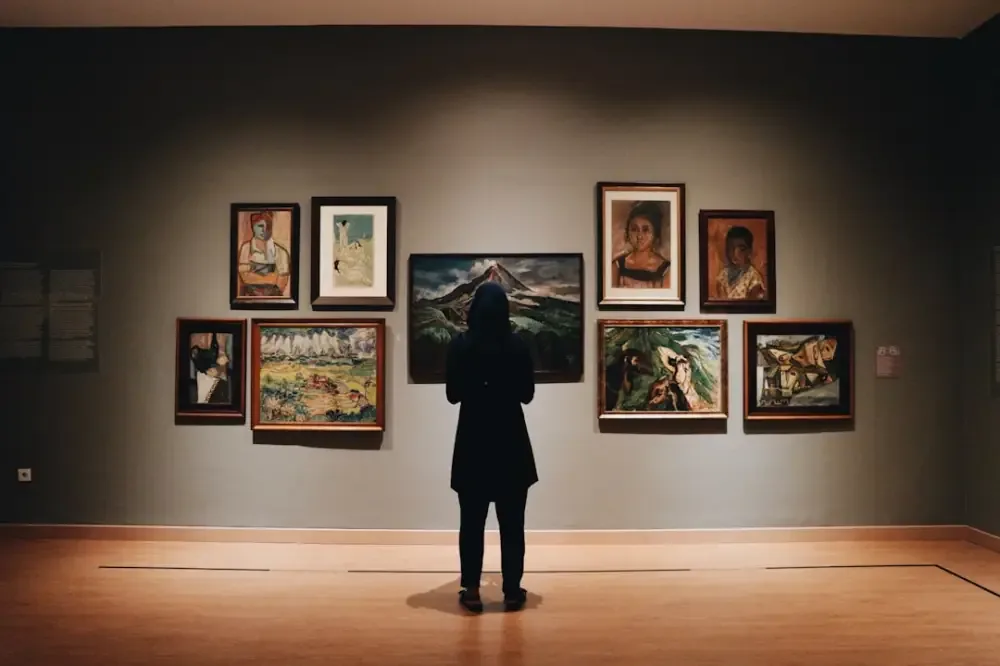
Private art tours dismantle this barrier. When the gallery is emptied or the studio door is locked to the public, the air changes. Silence becomes the canvas upon which the art can finally speak. I contend that you haven't truly seen a Caravaggio until you’ve stood before it in a room where the only sound is your own breathing. In that stillness, the brushwork becomes visible, the shadows deepen, and the artist’s intent begins to bridge the gap of centuries. This isn't just about comfort; it is about the cognitive space required for transformation.
The Guide as a Bridge, Not a Script
One of the most profound failures of standard tourism is the generic narrative. Most public tours rely on a 'greatest hits' script—dates, names, and dry anecdotes that are forgotten before you reach the gift shop. A private art tour, conversely, functions as a bespoke intellectual exchange. You aren't being talked at; you are engaging in a dialogue.
Why Personal Expertise Outshines the Audio Guide
- Contextual Relevance: A private expert can pivot the conversation to your specific interests, whether that’s the chemistry of pigments or the political upheaval of the Renaissance.
- Unfiltered Access: Private tours often grant entry to archives, restoration labs, or private collections that remain invisible to the general public.
- Emotional Intelligence: A human guide senses when a piece is resonating with you and allows for the necessary pause, rather than rushing to the next 'must-see' exhibit.
- Critical Deconstruction: Instead of being told why a piece is 'good,' you are invited to deconstruct it, challenging the traditional art-historical canon in real-time.
From Consumption to Connection
The way we see art dictates the way we see the world. If we consume art as a series of fast-paced, digital-first interactions, we begin to view culture itself as a disposable commodity. Private art tours force a slower tempo. They demand a presence that is increasingly rare in our hyper-connected lives.
When you spend an hour with a single sculpture in a private garden or discuss a contemporary installation with the artist in their own warehouse, the experience moves from the transactional to the transformational. You begin to see the threads that connect the art to the landscape, the history to the current moment, and the creator to your own lived experience. This is the essence of mindful exploration—the realization that we are not just spectators of history, but participants in it.
The Luxury of Undivided Attention
In the luxury travel space, 'exclusive' is a word that gets thrown around with reckless abandon. But true exclusivity isn't about a velvet rope or a high price tag. It is about the luxury of undivided attention. In a world that is constantly vying for our focus, the ability to stand alone with a work of genius is a radical act of self-care and intellectual rebellion.
We must stop pretending that the public museum shuffle is a valid way to experience culture. It is a compromise we’ve accepted for too long. If we want travel to change us—to actually shift the way we perceive the world—we must invest in the quality of our observations. Private art tours provide the clarity, the quiet, and the expertise necessary to turn a simple viewing into a life-altering insight. Anything less is just looking at the walls.